

509,100job vacancies open across Canada in June 2026. Every one of them starts with a CV or resume on someone’s screen
2.8%national job vacancy rate, unchanged for a year. Employers are hiring, and they are taking their time choosing
155,000more Canadians on payrolls than a year earlier. People are getting hired every week, and every one of them sent a document first
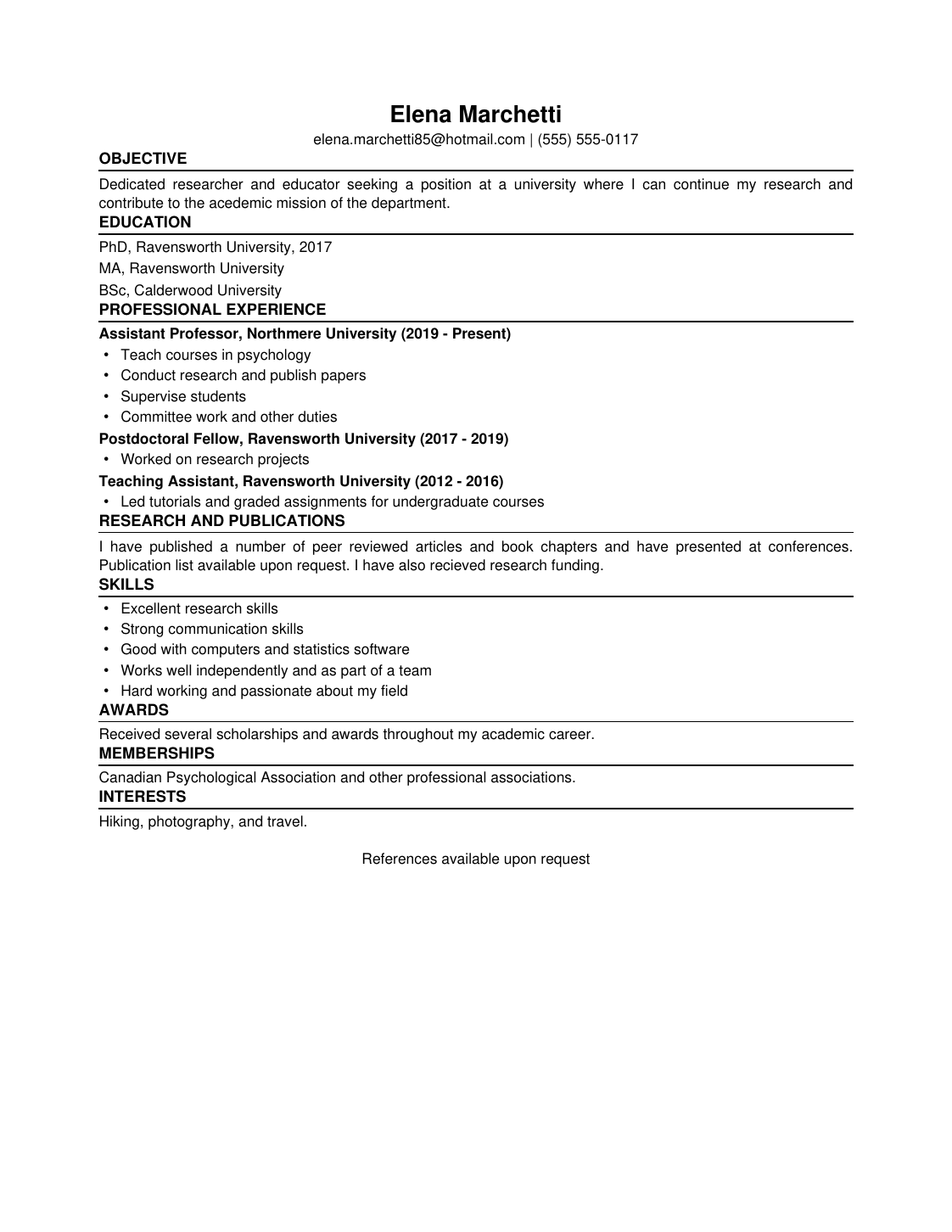
CV vs resume: what each one means in Canada
The short oneResume
What most of the world calls the short document.
LengthOne to two pages
What goes inA profile, your experience with results, education and skills, tailored to one posting
Who asks for itEmployers, recruiters and job boards across Canada
What we writeThe same document as the Canadian CV. Different word, identical expectations
What most Canadian employers meanCanadian CV
When a Canadian posting says CV, this is what it wants.
LengthTwo pages, occasionally one early in a career
What goes inHeader and target title, profile, results-first experience, education, credentials and skills. No photo, age or personal details
Who asks for itEmployers in every province, newcomer job seekers, public service competitions
What we writeATS-ready, in Canadian format, matched to the posting in front of you
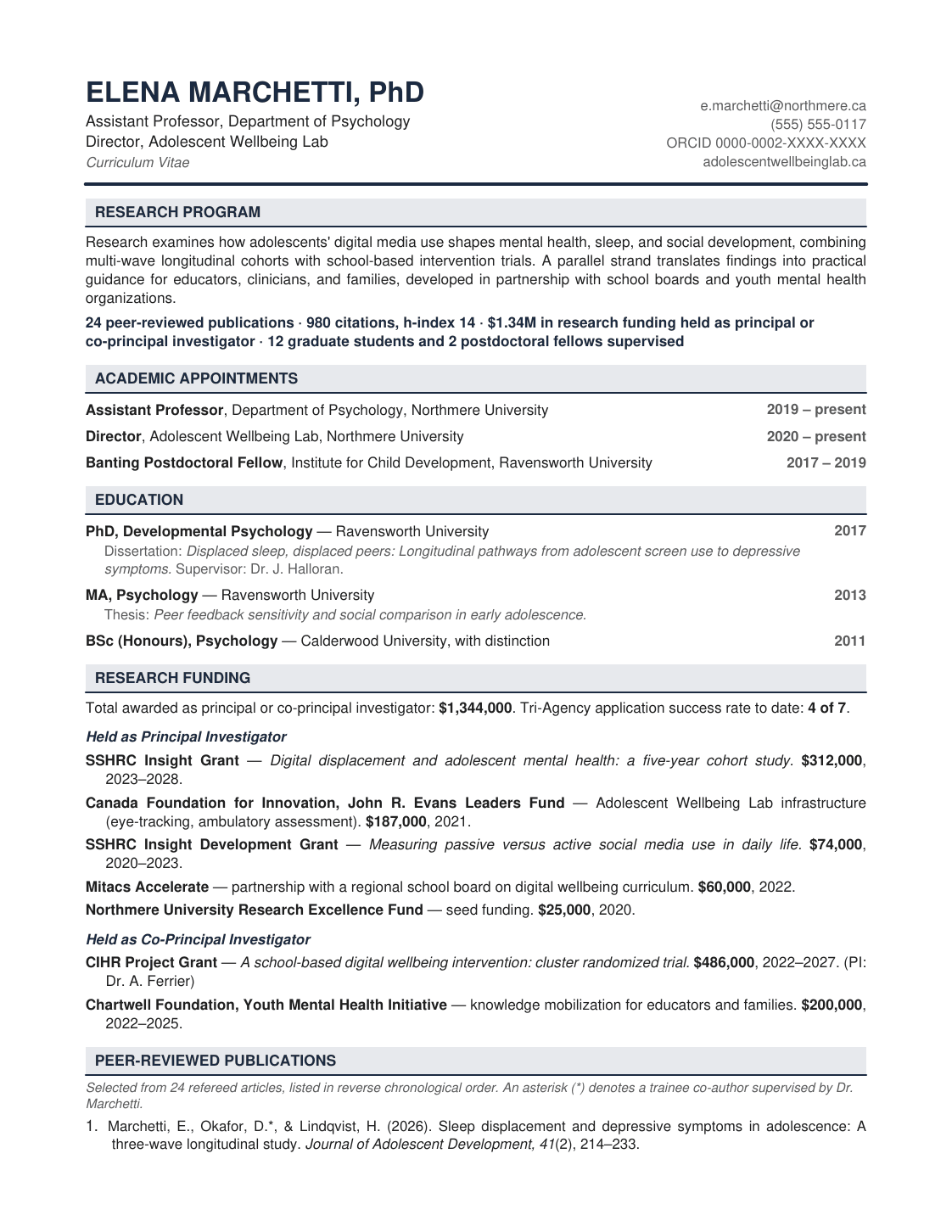
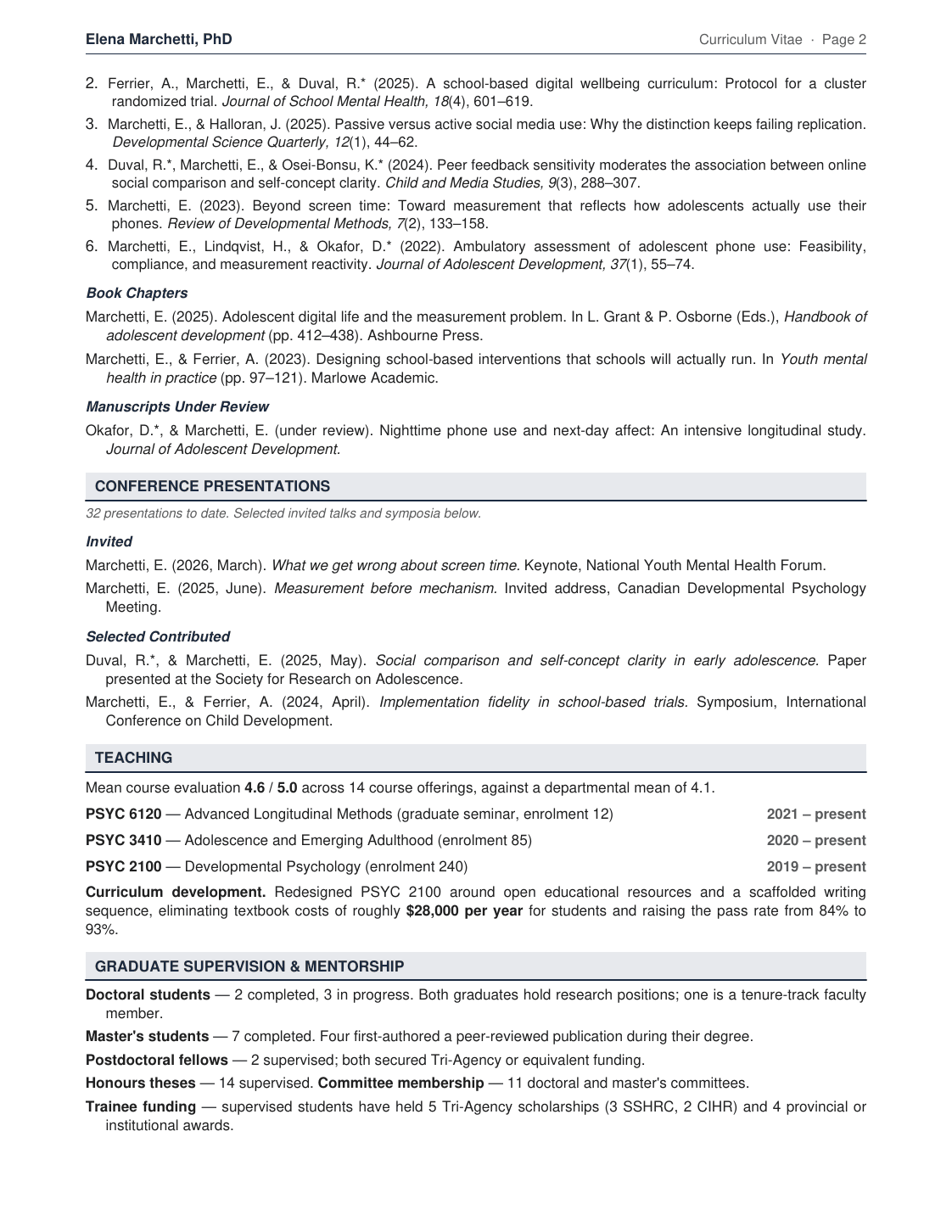
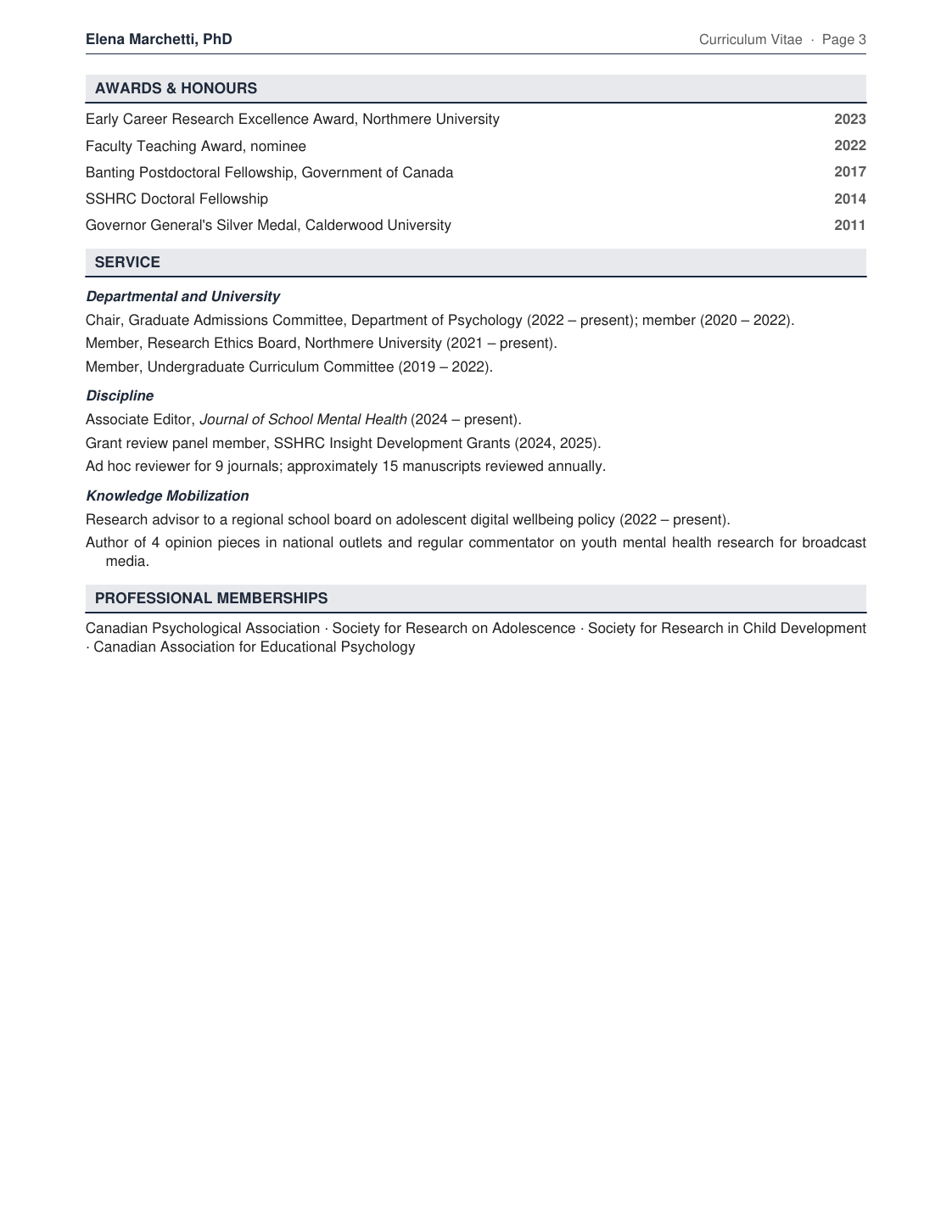
The full recordAcademic or Medical CV
The curriculum vitae in its original sense.
LengthAs long as your record requires, often five to fifteen pages
What goes inEducation, licensure, appointments, publications, presentations, grants, teaching, supervision and service
Who asks for itUniversities, hospitals, residency and fellowship programs, research institutes and funders
What we writeComplete and in the expected order, so a committee finds what it is scoring
Coming from outside Canada? The CV that worked at home usually needs converting, not translating: personal details out, Canadian format and results in. Send us the posting and we will tell you which version it needs, no charge.
What each part of your CV has to do
01The Header and ProfileName, target title and contact details, then three lines that say what you do and prove it. No photo, no date of birth, no marital status.
02The ExperienceEach role rebuilt around outcomes with numbers attached, most recent first, in the language the posting uses.
03The Education and CredentialsDegrees, licences, registrations and designations, with Canadian equivalencies where they help a reader place them.
04The RecordFor academic and medical CVs: publications, presentations, grants, teaching and service, complete and in the expected order.
The Canadian CV conventions we write to
2 pgTwo pages for employersCanadian employers expect a focused two-page document. The full record is for committees.
NoNo photo, no personal detailsCanadian norms: no photo, no age, no marital status, no nationality.
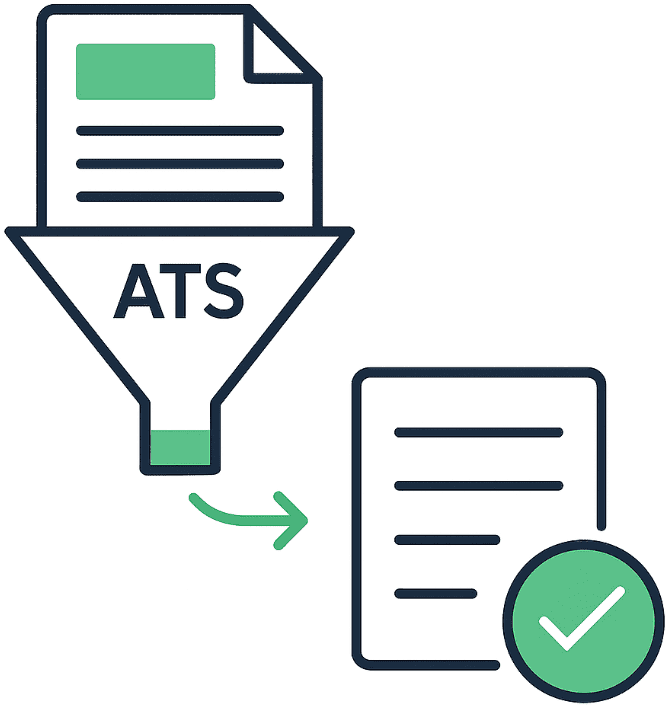
ATSScreened before it is readParsed and keyword-searched before a recruiter opens it.
Rev.Reverse chronologicalMost recent role first, dates aligned, gaps addressed rather than hidden.
No.Numbers attachedA result with a figure on it is remembered. One without a figure is a duty.
PDFSent as a PDFThe file format Canadian employers prefer, with a Word copy for portals that ask.
CdnCanadian spelling and titlesColour, centre, licence, and the job titles Canadian recruiters search for.
ToneConfident, not boastfulDirect claims backed by evidence, written in your voice.
The mistakes your CV will not make
1The overseas formatPhoto, date of birth and a five-page history. Yours follows Canadian conventions from line one
2The duty listResponsibilities copied from a job description. Yours ends every role on a result
3The wrong documentA one-page resume sent to a search committee, or a twelve-page CV sent to a recruiter. Yours matches the reader
4The unparseable layoutTables, text boxes and graphics that scramble in an ATS. Yours survives the upload
Whatever role you are chasing, your CV leads with the evidence that reader is looking for.